Introduction
The electronics manufacturing services (EMS) industry is in the midst of a major evolution.
Driven by advances in automation, the push for sustainability, and shifting global supply dynamics, manufacturers are rethinking how products are designed, built, and delivered.
In 2025, the winners will be those who combine cutting-edge technology with agility, resilience, and a forward-thinking mindset.
Here are the 10 biggest trends shaping EMS this year — and how they’re transforming the industry.
1. Smart Factories & Industry 4.0
From connected machines to AI-powered analytics, EMS providers are embracing Industry 4.0 to maximize efficiency. The integration of IoT sensors, artificial intelligence, and machine learning enables real-time monitoring, predictive maintenance, and smarter decision-making — all while minimizing downtime and improving yield.
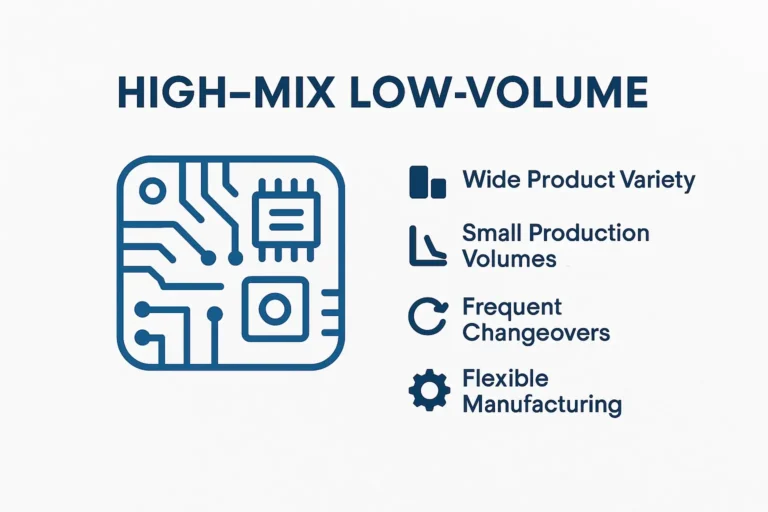
2. High-Mix, Low-Volume (HMLV) Manufacturing
The days of purely high-volume production are giving way to HMLV manufacturing, where flexibility is king.
By producing smaller batches across a wider variety of products, manufacturers can respond faster to shifting customer needs and shorten delivery cycles — without sacrificing quality.
3. AI-Driven Quality Control
Quality assurance is getting a major tech upgrade. Advanced AI algorithms are now being used for automated optical inspection, early defect detection, and predictive maintenance. The result? Faster inspections, fewer errors, and higher product reliability.
4. Supply Chain Resilience
The pandemic exposed vulnerabilities in global supply chains. In response, EMS companies are localizing production, diversifying supplier networks, and leveraging digital supply chain management to stay agile and resilient against future disruptions.
5. Green Manufacturing
Sustainability is no longer optional. EMS leaders are prioritizing eco-friendly materials, waste reduction, and energy-efficient production methods. From closed-loop recycling systems to carbon footprint monitoring, green initiatives are becoming central to manufacturing strategies.
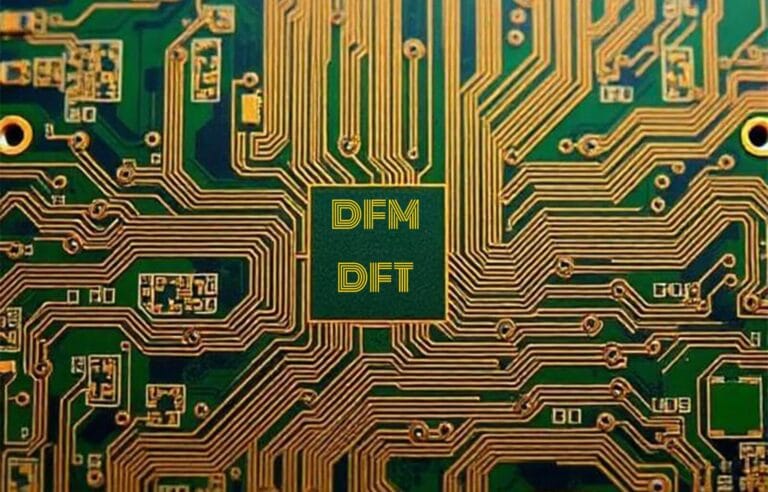
6. Design for X (DfX)
Product design is evolving beyond aesthetics. Concepts like Design for Manufacturability (DfM), Design for Testability (DfT), and Design for Assembly (DfA) are helping engineers create products that are easier to produce, test, and maintain — reducing time-to-market and cost.
7. Cybersecurity in Manufacturing
As factories get smarter and more connected, cybersecurity has become a top priority. Protecting sensitive production data and safeguarding industrial control systems against cyber threats is now as critical as ensuring physical product quality.
8. Miniaturization & Advanced Packaging
The push for smaller, more powerful devices is fueling miniaturization trends like System-in-Package (SiP) technology. These innovations are driving new approaches to PCB design, component integration, and advanced assembly techniques.
9. End-to-End EMS Partnerships
OEMs increasingly prefer one-stop EMS partners who can handle the full lifecycle — from product design and prototyping to assembly, testing, and after-sales support.
This holistic approach simplifies coordination, speeds delivery, and enhances overall quality.
10. Solving the Talent Shortage
Skilled labor shortages remain a challenge, but companies are tackling the issue with automation, targeted training programs, and global recruitment strategies. The goal is to build a future-ready workforce that can adapt alongside evolving manufacturing technologies.
Conclusion
The EMS landscape in 2025 is smarter, greener, and more interconnected than ever before.
AUSPI Enterprises is at the forefront of these changes — combining advanced manufacturing technologies, sustainable practices, and deep industry expertise to help clients stay competitive and future-ready.